
Consumer Tools
Our Consumer Tools empower you to navigate the world of energy choice! Learn how to compare and understand offers from competitive natural gas and electricity suppliers. We’ll guide you through key factors like pricing, contracts, and terms, ensuring you make informed decisions.
How To Analyze an Offer:
When evaluating competitive energy supply options, you should consider:

How To Analyze an Offer:
Is the offered price fixed, variable,or some combination of both?
CONTRACT REQUIREMENTS
How long is the contract in effect and is it possible to change suppliers?
ENERGY SOURCE
What is the energy source and what is its environmental impact?
BILLING METHODS
Are there budget plans and how many bills will you receive a month?
Value Added Services
What value added services are available from the supplier?
YOUR RIGHTS
Are you aware of your rights as an energy consumer?

Importance of Energy Choice
Cost savings, contract options, and green products, are all value-added benefits that consumers may consider when shopping for an energy choice provider; but the biggest value in energy choice is the CHOICE itself.
Consumers value having choice in their role as purchasers. It is a benefit to all stakeholders in the energy marketplace, including utilities and public service commissions, to encourage customer participation through energy choice.
Energy Innovation
The energy industry continues to drive technological advancements.
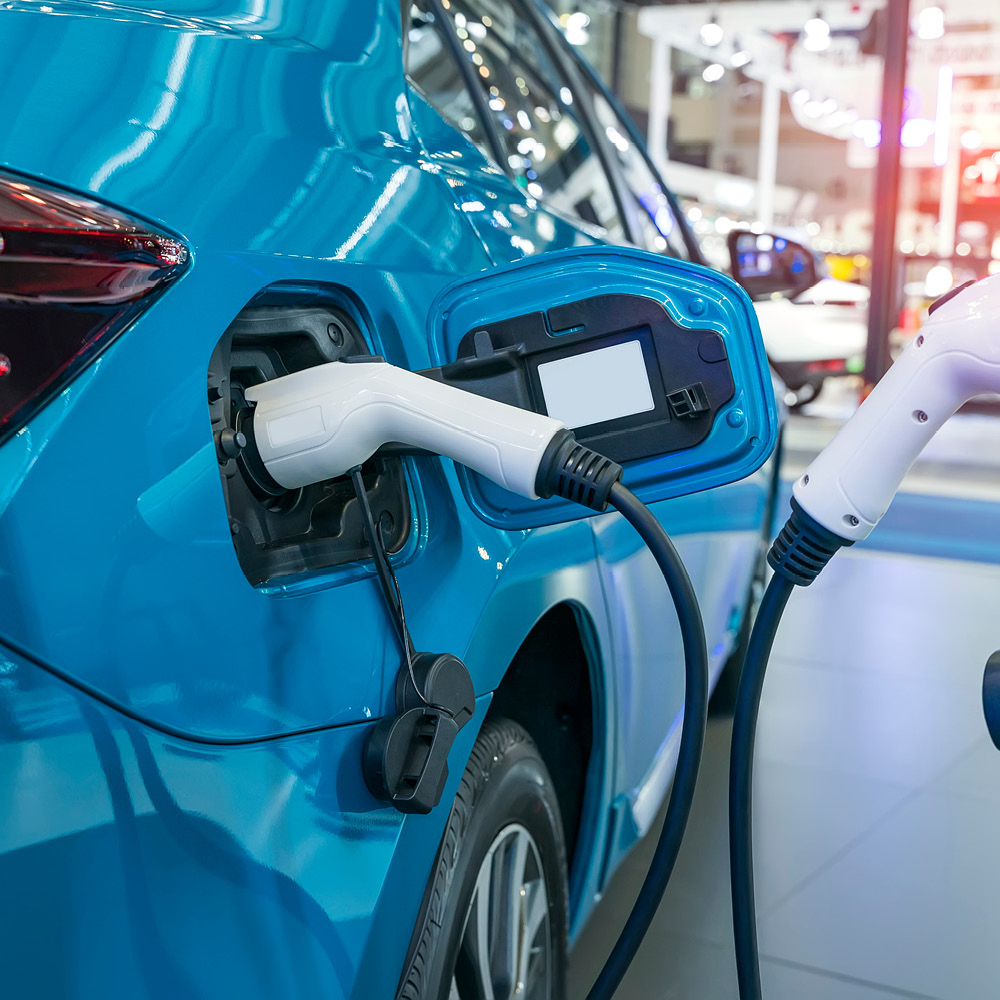
Electric
Cars
Electric cars use electricity as their power source instead of gas.
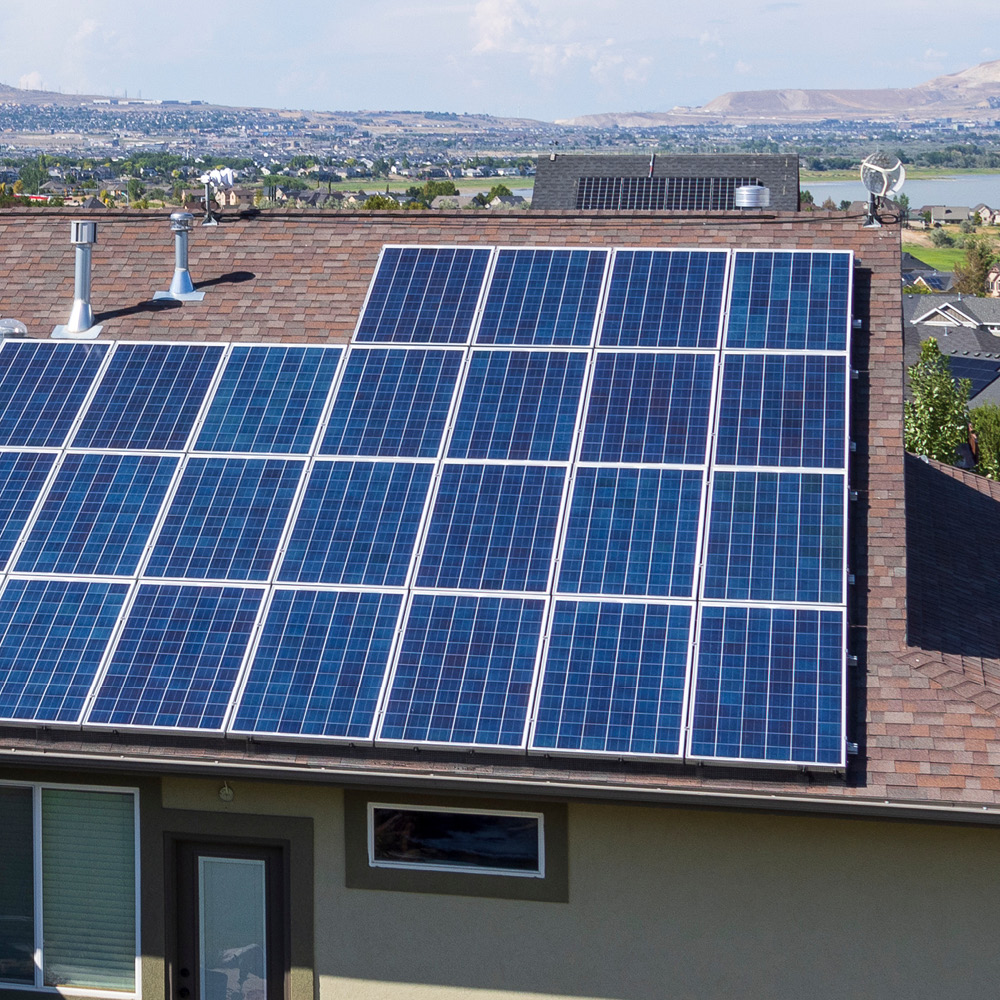
Onsite
generation
Rooftop solar panels are an example of onsite generation.
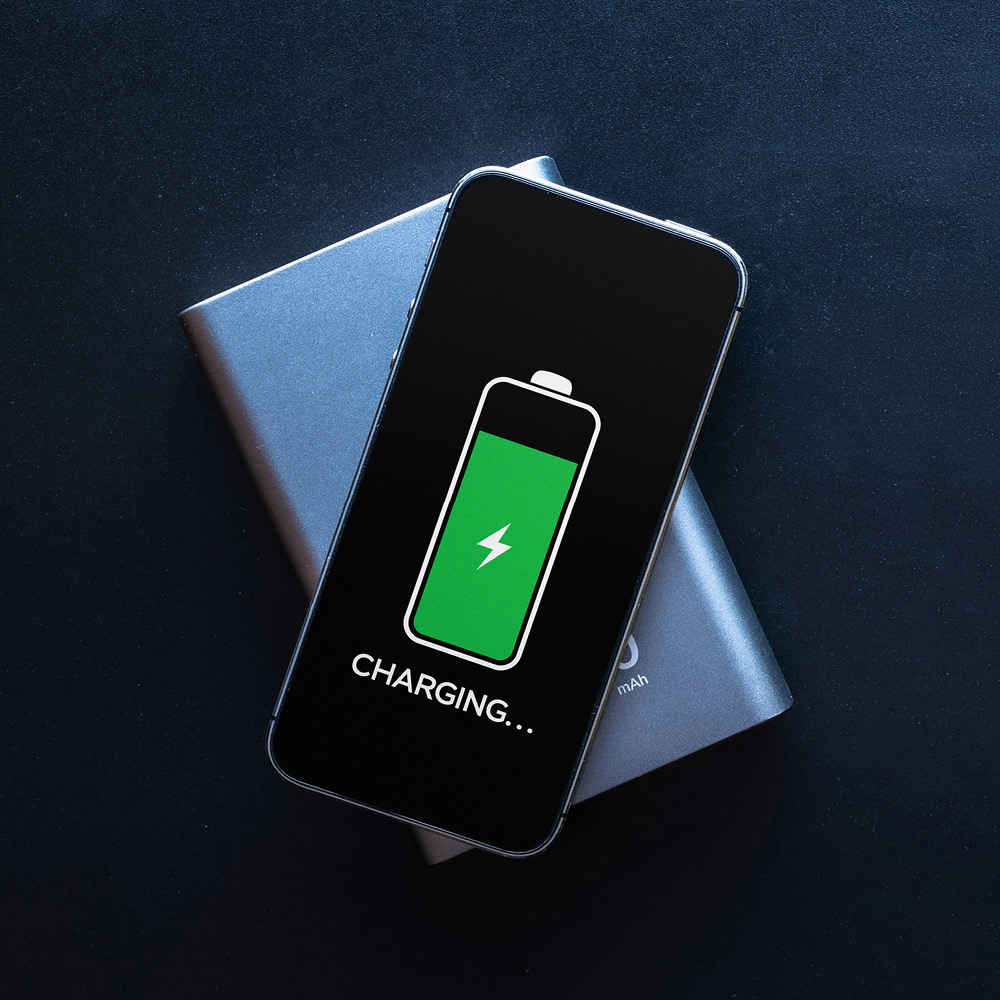
Emerging battery
storage
Emerging battery storage technology is pointing in the direction of a true alternative to the grid.
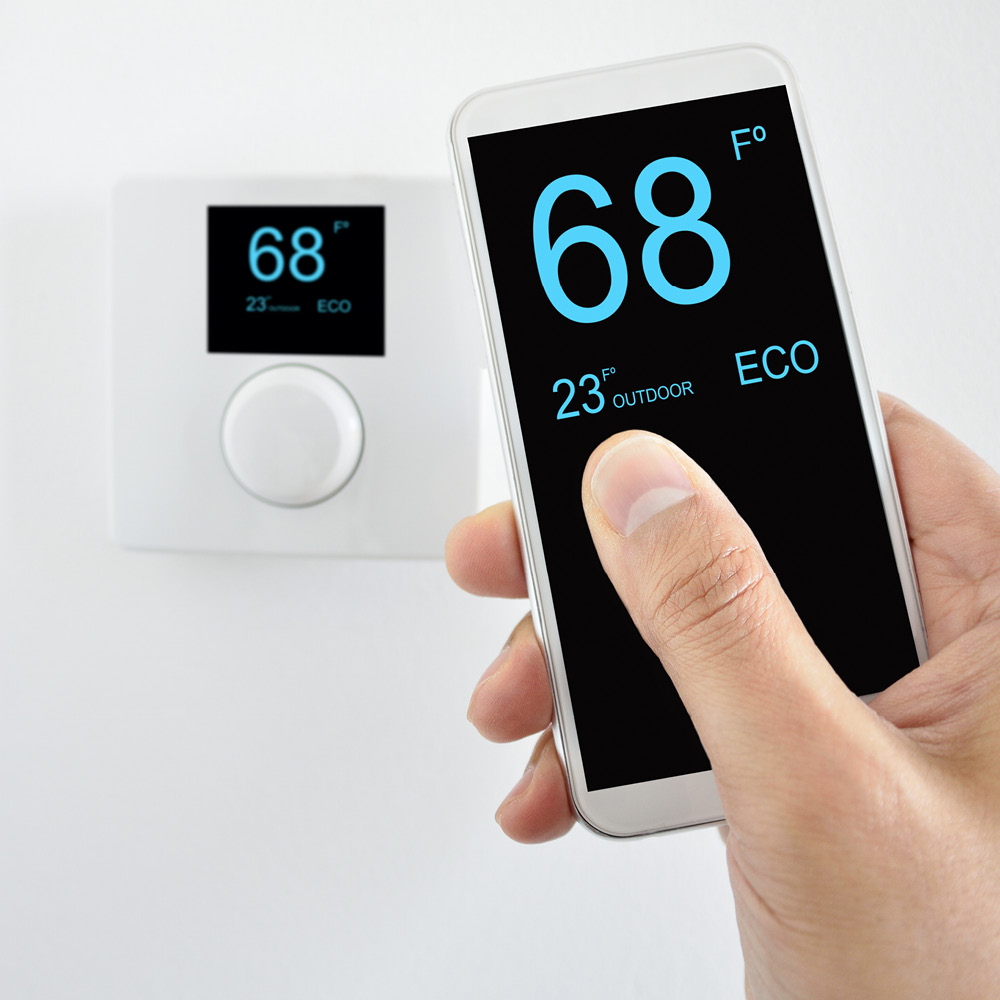
Home
Technology
Smart thermometers and other home technology can improve energy efficiency and cut costs.
Your Rights as an Energy Consumer
Just like the rights you have as a consumer of other products and services, you have certain rights as an energy consumer, too. These rights are in place to protect you. Although consumer rights vary slightly from state to state, there are several general protections that exist everywhere.
Supplier Consolidated Billing
What It Is & Why It’s Used
Supplier consolidated billing allows energy suppliers to merge both utility and supplier bills. It enables suppliers to offer consumers a more seamless billing experience. It also protects customers, strengthens the retail market, and allows for supplier innovation. With SCB, suppliers can offer prepay options as well as flat billing.

White Paper
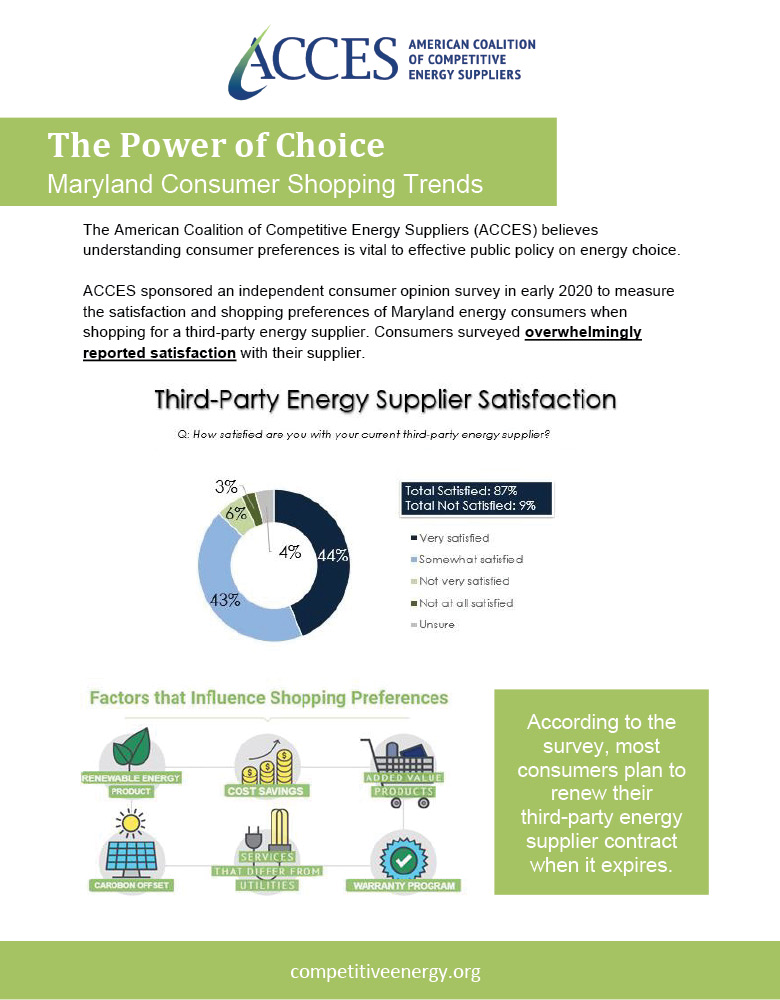
The Power of Choice | Maryland Consumer Shopping Trends
Grab the content, but don’t call it a whitepaper





Renewable Energy FAQ’s
Some competitive energy suppliers offer renewable energy products. This may include electricity that is made from environmentally-friendly fuel resources, such as wind, water, waste heat or solar energy. These are also referred to as “green” energy offers.
Some competitive energy suppliers also offer renewable natural gas (often referred to as “biogas” or “biomethane”). What distinguishes renewable natural gas from fossil gas is the source of supply. According to the Coalition for Renewable Natural Gas, renewable natural gas comes from the chemical breakdown of organic waste, which produces methane gas that can ultimately be processed for use.
Consumers can also select from other special products that can help them control their use of energy, increase equipment efficiency, and do their part to help the environment.
This all sounds like a lot to consider. The following information provides a high-level breakdown of what you need to know when shopping for a renewable energy product or other products that assist in controlling your use of energy.
No Need for Physical Installations
When most people think of buying renewable energy from a competitive energy supplier, they often imagine having to install new equipment or make physical changes to their property. In fact, when you purchase renewable energy products, you are actually directing power produced from renewable sources to be delivered onto the grid based on your purchase.
Renewable Electricity Going Straight to My Home?
When you select a renewable energy product from a competitive energy supplier it does not mean that the physical properties of the electricity will be sent directly to your home. Instead, the renewable electricity is delivered onto the grid on your behalf. The benefits to the environment are identical, since you are lowering the carbon footprint by supporting the production of renewable electricity – energy that would have otherwise been produced by a fossil fuel-powered plant.
Definition of “Renewable Energy” Varies
Each state has its own guidelines and definitions for what constitutes renewable energy (i.e., which sources qualify as renewable), and the criteria for a product being sold by a competitive supplier to be marketed as a true “renewable energy” product. In many states, the law requires all suppliers to include a certain percentage of renewable energy in all of the electricity they sell. In those states, suppliers must typically offer more than this minimum required percentage in order to market a product as renewable. Be sure to check with your supplier, and consult the state’s public utility commission website for more details.
Green is Good – Just Know What You’re Getting
Renewable energy, or “green” offers from competitive energy suppliers, are options to consider when shopping for the plan that best meets your energy needs. It may cost more than power generated from traditional sources (oil, natural gas, and coal), but an ever-growing number of consumers are electing to pay a different price for environmentally friendly power.
As competitive energy suppliers continue to find innovative ways to help you control your energy bill, consumers have the opportunity to select from an increasing number of options in order to find the best offer that meets your specific energy needs. Below are additional environmentally friendly products that can help you control your use of energy, increase equipment efficiency, and do your part to help the environment.
Certain suppliers may offer energy audits, which can help customers learn how to make their home or businesses more energy efficient and less wasteful. Auditors will examine your property for inefficient appliances, insufficient insulation, cracks or gaps that allow energy leakage, and other problems. The auditor will make recommendations on products and services that can improve your home or business energy usage, potentially reducing your monthly bill.
Competitive energy suppliers can also offer homeowners protection plans that cover inside and outside utility lines, HVAC systems, water heater and more. When a covered utility line or system fails, suppliers can take care of the repair for you. This can range from parts replacement to full 24-hour emergency service.
Competitive energy suppliers can purchase carbon offsets on your behalf to reduce the impact of the carbon emissions caused by your home natural gas consumption.
Demand response is when a customer is paid or receives a discount or incentive for lowering his or her electricity usage at certain times of day or when requested by the energy supplier or utility. This can be offered by suppliers via different product offerings, such as, for example, some suppliers may even offer energy for free if it is used at certain times of the day or week. As a result, customers with advanced meters on such plans can change their usage behavior by shifting high-energy activities (washing clothes, running the dishwasher) to times of day when the overall demand for electricity is lower.
Competitive energy suppliers can also offer distributed generation installation, located on or near your property. This can be in the form of installing solar panels, a combined heat and power unit (CHP), or other renewable energy systems. Consumers can generate their own energy to power, heat, and cool their home or business while continuing to receive electricity and natural gas from their competitive energy supplier as backup power. In most states and utility territories, you can receive credit on your energy bill for any surplus-generated electricity from your solar panel or CHP unit, this is known as net metering (see below for more information).
Net metering is used when a homeowner or business owner produces some of his or her own energy. Net metering uses an advanced physical meter that runs in both directions to track the net usage of power. If that owner produces more energy than he or she uses, that energy can be sold back to the grid, resulting in a bill credit.
When a renewable energy source produces renewable energy, it generates a renewable energy certificate (REC). The producer of the energy can then sell not only the physical electricity, but also the renewable energy certificate. Competitive energy suppliers, generators and utilities must follow strict guidelines when creating, purchasing, selling, or retiring RECs.